
Discovering the Magic of Elemental Alchemy: A Guide to Infinite Craft
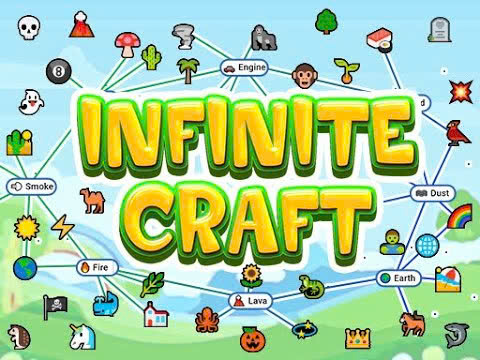
Gaming is at its best when you can get lost in a world that rewards curiosity and creativity. Infinite Craft stands out as a sandbox experience that lets players experiment, build, and explore at their own pace. If you’re looking for a calm, open-ended way to spend an afternoon or a weekend, this kind of title invites exploration without pressure. The goal here isn’t to win, but to tinker, discover, and share small stories you uncover along the way. In this article, we’ll walk through what makes Infinite Craft engaging, what the core gameplay feels like, and a few practical tips to help you get the most out of your time in the game.
Gameplay
At its heart, the game invites you to craft and create within a procedurally generated world. You’ll gather materials, experiment with different combinations, and shape environments to suit your ideas. The experience emphasizes freedom: there’s no fixed path, no rigid objectives, and no ticking clock to rush you along. This relaxed structure is ideal for players who savor slow, methodical progress or who enjoy building grand or tiny projects with careful attention to detail.
Control and pacing feel approachable. You’ll typically switch between gathering resources, crafting items, and placing elements in the world. The interface aims to be intuitive, letting you see how different materials interact and what new items you can unlock. Exploration is as much about discovering new biomes as it is about discovering surprising ways to combine resources. If you like the idea of turning a valley into a garden, or a cave into a cozy shelter, the game rewards those small, deliberate steps.
One of the standout elements is the way experimentation is encouraged. You aren’t locked into a single recipe or plan; instead, you can test mixtures, test builds, and iterate. This keeps the experience fresh, whether you’re new to the genre or returning with a specific project in mind. The world itself tends to invite you to try things: interesting terrain, hidden pockets, and optional challenges that don’t punish curiosity.
Tips
- Start with a simple project. Pick a small goal, like building a basic shelter or a garden plot, to learn the mechanics without feeling overwhelmed. Completing a tiny project gives a sense of closure and motivation to try something larger.
- Use a notebook or in-game notes. Jot down material requirements, successful recipes, or ideas for future builds. A quick reference helps you stay organized as your projects grow.
- Experiment with layering. Combine different materials to see how they influence aesthetics and practicality. Sometimes the most surprising combinations yield the most satisfying results.
- Don’t fear setbacks. If a plan doesn’t work, revert, rethink, and try a different approach. The sandbox design is forgiving by nature, and every attempt teaches you something.
- Explore at your own pace. Take time to wander, stumble upon interesting vistas, and collect resources you wouldn’t otherwise consider. The joy often lies in unplanned discoveries.
Conclusion
Infinite Craft offers a welcoming canvas for anyone who enjoys crafting, exploration, and patient, creative play. It doesn’t push you toward a finish line; it invites you to experience small, meaningful moments as you shape the world around you. Whether you’re logging in for a quick creative session or settling in for a longer build, the game rewards curiosity and patience. If you’re curious about this kind of open-ended experience, you can learn more by checking out Infinite Craft. Infinite Craft offers a chance to step into a world where your ideas are the primary driver, and where every session can end with something you’re proud of.